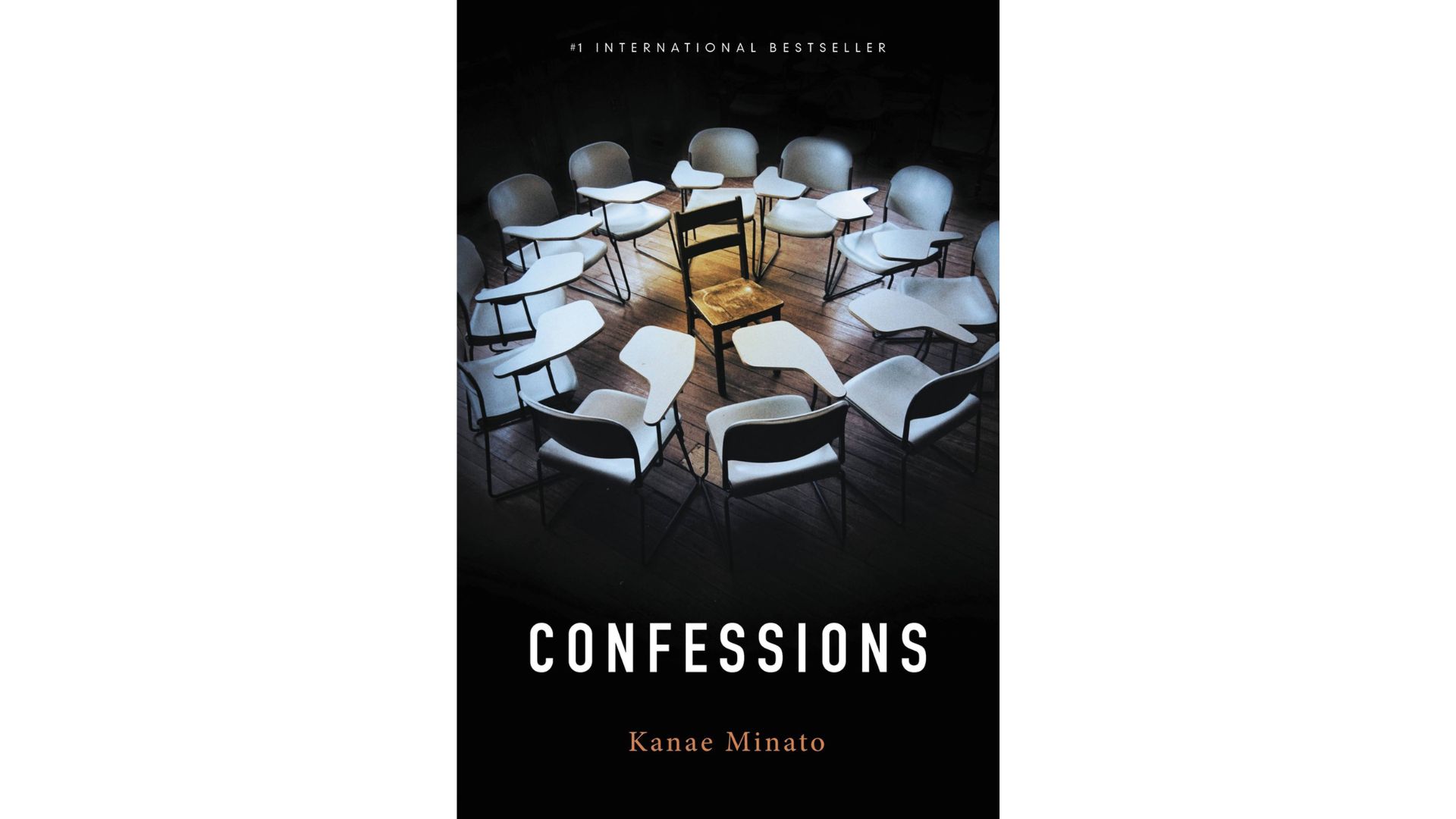
When I reviewed Confessions by Kanae Minato, I mentioned that it belongs to a Japanese subgenre called Iyamisu, which roughly translates as “ew mystery”. I gave it 5 Muse points, and I still think about that first chapter.
But what exactly is Iyamisu, and where do you find more of it? Here’s my beginner guide, plus six books to read next if Confessions left you unsettled in the best possible way.
No spoilers below, just set-ups and moods.
What does iyamisu mean?
Iyamisu (イヤミス) is a blend of two words: iya, from iya na (“unpleasant”, “nasty”), and misu, short for “mystery”. So it’s literally an unpleasant mystery, or as fans like to put it, the kind of mystery that makes you go ‘ew ‘.
The term was coined in 2006 by Japanese mystery critic Aoi Shimotsuki, and the genre has had a real boom in Japan since around 2012. Kanae Minato is often called “the queen of iyamisu”, alongside writers like Mahokaru Numata and Yukiko Mari.
How is iyamisu different from other mysteries?
Here’s the simplest way I can put it:
Cosy Mystery |
Honkaku |
Iyamisu |
|
Whodunit? |
Whodunit, and how? |
Why would anyone do this? |
|
Warm and comforting mood |
Playful, puzzle first |
Uneasy mood |
|
Ending: Justice is done |
Ending: The puzzle is solved |
The ending makes you feel worse than when you started |
If honkaku is the mystery as a game, iyamisu is the mystery as an X-ray. It isn’t interested in clues. It’s interested in what’s underneath ordinary people: jealousy, resentment, cruelty, and how easily those turn into something terrible.
The signs you’re reading iyamisu
- Ordinary settings: A classroom, a family home, a small town. No glamorous villains.
- Multiple narrators who each reveal a little more, and a little worse.
- No comforting ending. The truth comes out, but nobody feels better for it.
- A lingering aftertaste. You close the book and need a moment.
6 Dark Japanese Mysteries to Read after Confessions
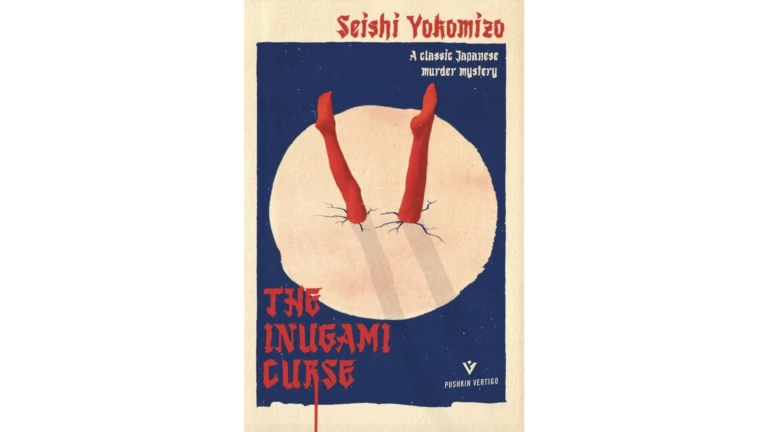
A note before we start: some of these were written before the word even existed. But they all share that same dark and uncomfortable feeling.
Penance by Kanae Minato
The obvious next step. As children in a small country town, four girls were witnesses when their friend Emily was killed. Fifteen years later, with the statute of limitations about to run out, each of them looks back on how that day shaped her life. Like Confessions, it’s told through different voices, and each one adds another layer of guilt.
Best for: readers who loved Confessions’ structure.
Heads-up: heavy themes, including violence against children.
Out by natsuo kirino
Four women work the night shift at a boxed-lunch factory in Tokyo, each worn down by a difficult home life. When one of them commits a crime at home, the others are drawn into helping her cover it up, and things spiral from there. Published in Japan in 1997, it was nominated for the Edgar Award for Best Novel in 2004, one of the first Japanese novels to be.
Best for: gritty, character driven crime about women pushed to the edge.
Heads-up: graphic in places. Not for the squeamish.
grotesque by natsuo kirino
An unnamed woman has spent her life in the shadow of her beautiful younger sister, Yuriko. When two women from her past are murdered, she tells us her version of their story, and she might not be the most reliable narrator. It’s as much about the pressures on women in Japanese society as it is about the crimes.
Best for: fans of unreliable narrators and slow, simmering resentment.
Heads-up: it’s long and bleak, so save it for when you’re in the mood.
nan-core by mahokaru numata
From one of the “big tree” of iyamisu. A young man finds a notebook at his family home containing a chilling confession of a murderer, and starts to wonder who wrote it and what it has to do with his family.
Best for: readers who want iyamisu at its most psychological.
Heads-up: harder to find than the others, so maybe check your library.
the thief by fuminori nakamura
A skilled Tokyo pickpocket, a loner by choice, is pulled back into a job with people far more dangerous than he is. It’s short, cold and fatalistic, more noir than whodunit, but it has that same sense of a world where nobody gets out clean.
Best for: a short and sharp read with a haunting mood.
Heads-up: don’t expect a neat resolution.
Confessions by kanae minato (if you haven’t read it yet!)
If you’ve somehow ended up here without reading Confessions, start with it. It’s the perfect introduction to iyamisu. And if you’re curious how it works on screen, I compared it with the 2010 film in Confessions: Book vs Film.
Should you read iyamisu?
If you finished Confessions and immediately wanted more of that uncomfortable, can’t-look-away feeling, then yes, absolutely. Start with Penance, then Out.
If you prefer your mysteries with a cup of tea and a happy ending, iyamisu probably isn’t for you, and that’s completely fine. My guide to honkaku has the more playful side of Japanese crime fiction.
Have you read any iyamisu? Which book left you with the worst “ew” feeling, in a good way? Tell me in the comments.